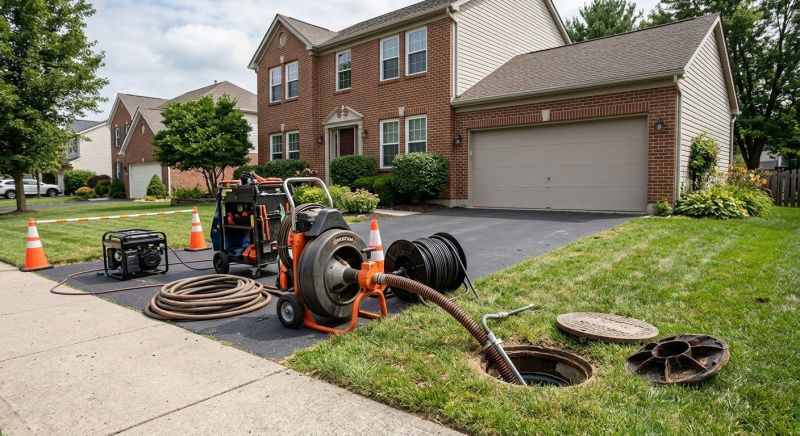
Clogged Sewer Repair in Denver, CO
Clogged sewer repair services address blockages or damage within a property's main sewer line, helping to restore proper waste flow and prevent backups. These projects typically involve identifying the source of the clog, which can be caused by tree roots, accumulated debris, or pipe deterioration, and then clearing or repairing the affected section of the sewer system. Homeowners often request this service when experiencing slow drains, foul odors, or sewage backups in sinks, toilets, or floor drains, especially in older or heavily landscaped properties.
Before requesting sewer repair, property owners should understand the scope of the issue, including whether it involves a simple clog or more extensive pipe damage. It’s also helpful to know if the problem is localized or affects multiple fixtures, and whether excavation is necessary or if trenchless repair methods can be used. Clear communication about the symptoms and history of the problem can assist in determining the most effective solution for restoring proper sewer function.
Many property owners in Denver, CO look into Clogged Sewer Repair for repairs, replacements, upgrades, and appearance-related improvements.
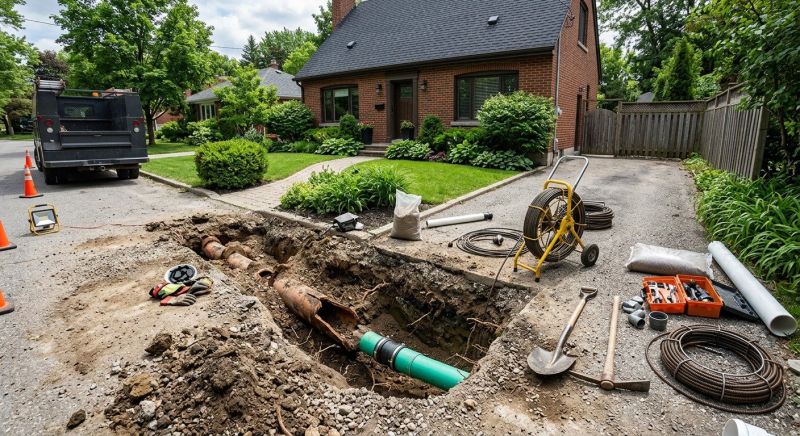
Signs Of Sewer Clogs
Slow drains, gurgling sounds, and foul odors may indicate a sewer blockage.
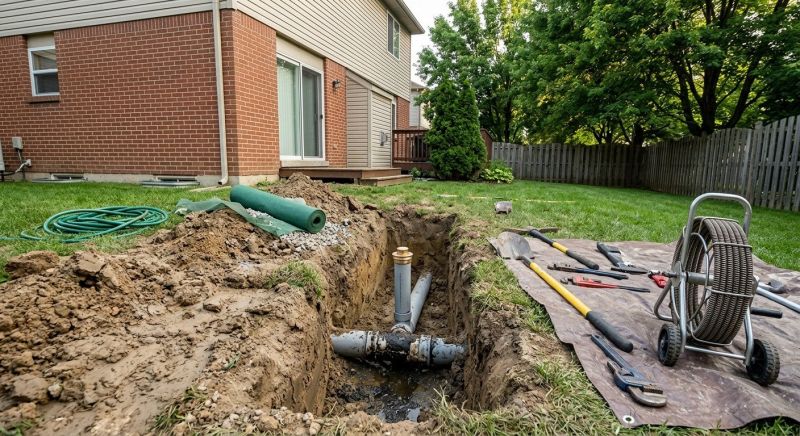
Common Causes Of Clogged Sewers
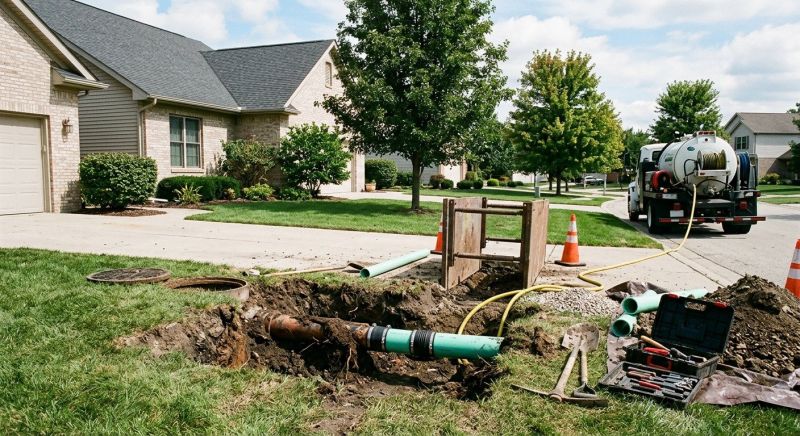
Build-up of grease, debris, and tree roots can lead to sewer backups in denver homes.
Preventive Maintenance Tips
Regular inspections and mindful disposal help keep sewer lines clear and functioning properly.
Clogged Sewer Repair in Denver, CO

Clogged sewer repair services address blockages or damage within a property's main sewer line, helping to restore proper waste flow and prevent backups. These projects typically involve identifying the source of the clog, which can be caused by tree roots, accumulated debris, or pipe deterioration, and then clearing or repairing the affected section of the sewer system. Homeowners often request this service when experiencing slow drains, foul odors, or sewage backups in sinks, toilets, or floor drains, especially in older or heavily landscaped properties.
Before requesting sewer repair, property owners should understand the scope of the issue, including whether it involves a simple clog or more extensive pipe damage. It’s also helpful to know if the problem is localized or affects multiple fixtures, and whether excavation is necessary or if trenchless repair methods can be used. Clear communication about the symptoms and history of the problem can assist in determining the most effective solution for restoring proper sewer function.
Many property owners in Denver, CO look into Clogged Sewer Repair for repairs, replacements, upgrades, and appearance-related improvements.
Common Clogged Sewer Repair Jobs
Residential sewer line repairs involve addressing blockages or damage that disrupt proper waste flow.
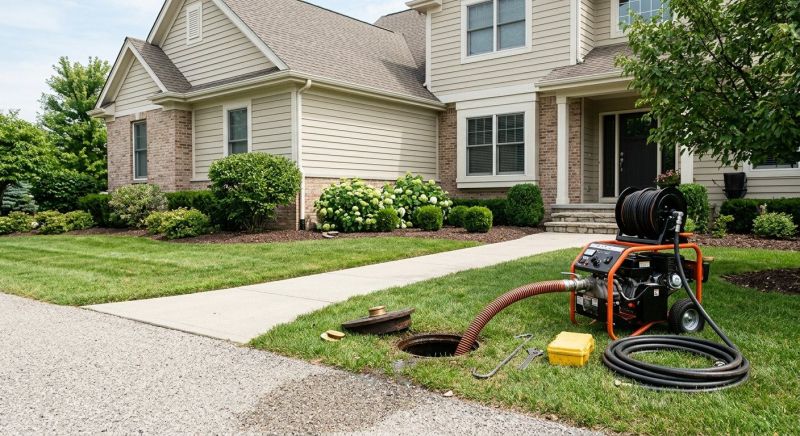
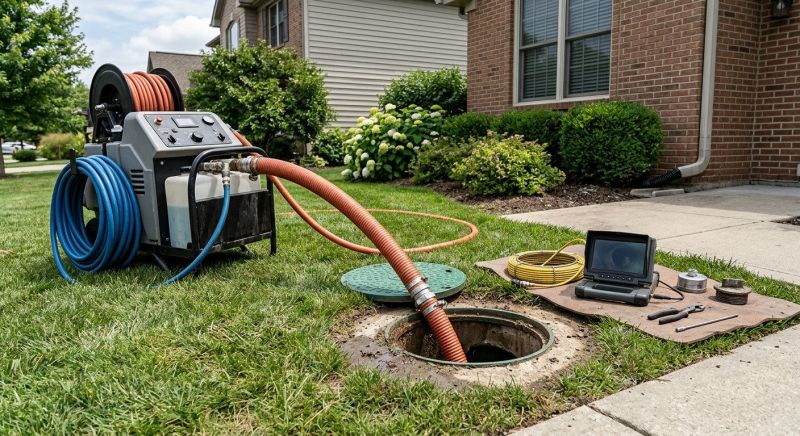
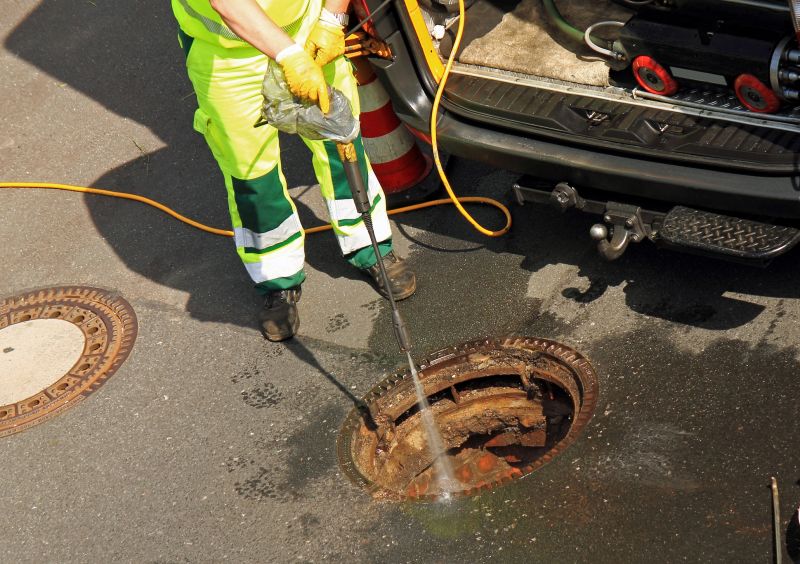
Drain clearing services remove clogs caused by debris, grease, or buildup in main sewer lines.
Camera inspection of sewer lines helps identify the location and extent of blockages or damages.
Sewer line replacement involves installing new pipes when repairs are not feasible due to severe damage.
Root intrusion removal clears tree roots that infiltrate sewer lines and cause backups.
Emergency sewer unclogging services quickly resolve sudden backups to prevent property damage.
Clogged Sewer Repair Questions
What causes sewer clogs in homes? Common causes include grease buildup, foreign objects, tree roots, and accumulated debris in pipes.
How can I tell if my sewer is clogged? Signs include slow drains, gurgling sounds, foul odors, or water backing up in fixtures.
Are sewer repairs disruptive to property? Repairs can vary in impact, but many methods aim to minimize disruption and restore function efficiently.
What types of sewer repair services are available? Services include pipe clearing, trenchless repairs, pipe replacement, and root removal to address blockages and damage.
Request Clogged Sewer Repair in Denver, CO
Use the quote form on this page to share the basics of your project and request more information for the type of work you need.